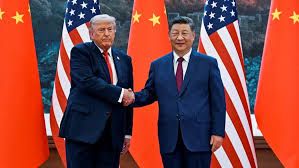
At present, world politics is passing through an extremely sensitive phase. Relations among major countries such as the United States, China, Russia, and Iran are deeply affecting the global economy, wars, and regional peace. In such an environment, if Donald Trump makes an important visit to China, its effects will not remain limited to America and China alone; rather, the politics of Iran, Russia, and the entire Middle East could also be affected.
China-Iran Relations
Over the past several years, relations between China and Iran have become quite strong. China purchases large quantities of oil from Iran, while both countries have signed several economic and strategic cooperation agreements. Despite American sanctions, China has not completely cut off relations with Iran.
If Trump attempts to establish better trade or political relations with China, an important question arises: could China increase its distance from Iran?
The reality is that China gives the highest priority to its own interests. On one hand, China wants to maintain better trade relations with the United States, while on the other hand, it is unlikely to completely abandon Iran because Iran remains an important source of energy for China and also holds significance in China’s “Belt and Road” project.
Therefore, the stronger possibility is that China will not fully step back from Iran but will instead adopt a balanced policy.
Russia’s Role
Russia has now emerged as a major power standing against the United States in global politics. Especially after the Russia-Ukraine War, Russia further strengthened its relations with China and Iran.
Russia considers Iran an important ally in the region. In matters related to Syria, oil, defense cooperation, and resistance to American influence, both countries remain close to each other.
Even if the United States improves relations with China, Russia will likely continue maintaining strong ties with Iran because this alliance is strategically important for Russia against Western pressure.
The Israeli Lobby and American Policies
Support for Israel is considered an important political issue in the United States. Various organizations and lobbying groups working in favor of Israel influence American politics. Many analysts believe that Israeli interests have also played a role in some Middle Eastern wars.
However, American officials and politicians view this matter from different perspectives. Some believe that the United States becomes involved in wars to protect its national security, oil interests, counterterrorism objectives, and global dominance — not merely because of pressure from any single lobby.
On the other hand, critics argue that Israeli interests have repeatedly influenced American foreign policy, especially in Middle Eastern affairs.
Future Situation
The world is now moving toward a “multipolar” system where the United States is no longer the only superpower. China has emerged as a major economic power, Russia stands as a military power, and Iran continues expanding its influence in the Middle East.
If Trump once again plays an active role in global politics and attempts to improve relations with China, temporary diplomatic changes may occur. However, the relations among China, Russia, and Iran do not appear likely to end completely.
In global politics, there are no permanent friends or enemies — only permanent interests.
Conclusion
Donald Trump’s possible visit to China could certainly trigger new political debates around the world, but it appears unlikely that China would immediately and completely separate itself from Iran. Russia is also expected to maintain its strategic relations with Iran.
Debates regarding the influence of the Israeli lobby are likely to continue in the future because this subject remains important in American politics and Middle Eastern policies.
At present, the world is moving toward a new balance of power in which every country is making decisions according to its own interests.
Please give your sugestion in the comments.
Zarsheedkhan22@gmail.com
 zarsheedkhan|Latest Current Affairs & World News
Leave a comment